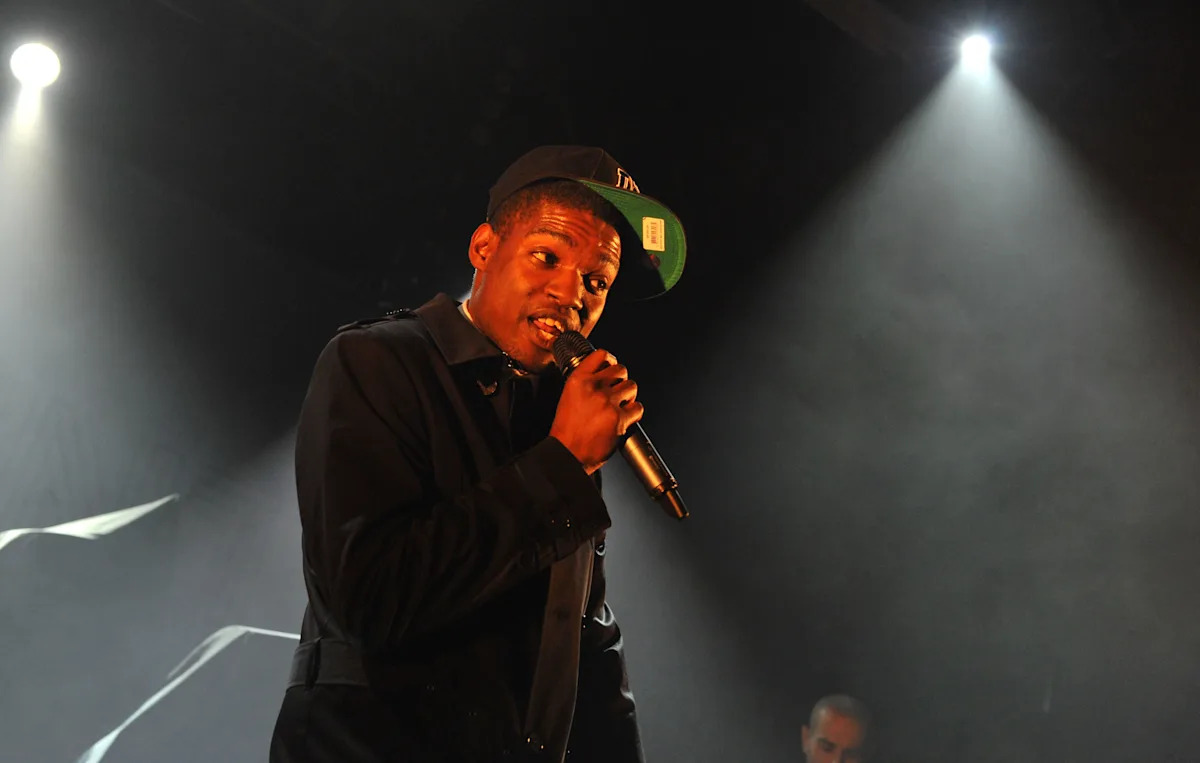
Dot Rotten's Rise: From South London Grime MC to Production Maestro
Delving into the
Dot Rotten Wiki reveals a compelling narrative of artistic evolution, raw talent, and unwavering independence within the dynamic landscape of UK grime. Born in Stockwell, South London, Dot Rotten, initially known as 'Young Dot', emerged not just as an MC but as a genuine all-rounder – a rarity who mastered both lyrical prowess and intricate beat production. This dual threat status quickly cemented his reputation as one of grime's most formidable and respected talents, a true testament to the genre's DIY ethos. His journey exemplifies the hustle and versatility required to thrive in a scene constantly pushing boundaries.
From his foundational roots in South London, Dot Rotten's influence and collaborations stretched across the capital. He fostered significant links with artists from East London, including Griminal and Little Nasty, demonstrating a collaborative spirit that transcended geographical divides within the grime community. Furthermore, his membership in crews like ‘Hoodstars’, predominantly based in West London, and the more recent grime collective ‘Organised Grime’ (OGs), showcased his ability to integrate and contribute to diverse artistic environments. This cross-pollination of talent and styles is a hallmark of grime, where artists often bridge gaps to create a more expansive and vibrant soundscape. His early career highlighted the importance of networking and adaptability, principles that remain crucial for any aspiring artist in today's music industry.
From MC to Maestro: The Evolution of Dot Rotten's Production Style
Dot Rotten's trajectory into production was born out of necessity, a common catalyst for innovation in the grime scene. Starting his musical journey primarily as an MC, he encountered the familiar hurdle many vocalists face: the struggle to consistently source high-quality beats from producers. This challenge, rather than being a deterrent, became the impetus for a pivotal shift in his career. Instead of waiting for opportunities, he decided to create them, diving headfirst into beat-making himself. This strategic pivot not only solved his immediate problem but also unlocked a profound new dimension to his artistry, transforming him into a self-sufficient creative force.
His early production style, which has subtly evolved but retained its core characteristics, immediately stood out. Two defining elements distinguished his sound: the ingenious use of lyrical sampling and the unmistakable prominence of hard-hitting drum sounds. Lyrical sampling in grime often involves repurposing vocal snippets or catchphrases from other tracks, interviews, or even films, weaving them into the fabric of a new beat to create a layered, often humorous or aggressive, narrative. This technique allowed Dot Rotten to infuse his productions with character and a distinct storytelling quality, making his beats instantly recognizable. Complementing this, his beats were renowned for their weighty, driving drums – often aggressive 808s, sharp snares, and intricate hi-hat patterns that provided the essential rhythmic backbone grime is known for, ensuring his tracks packed a punch on the dancefloor and through sound systems. This ability to craft his own instrumentals gave him unparalleled control over his sound, allowing him to perfectly tailor beats to his unique lyrical flow and artistic vision.
The "Bazooka" Breakthrough and His Celebrated Debut Mixtape
While Dot Rotten had been active in the underground for a substantial period, laying groundwork and honing his craft, it was the release of a single, groundbreaking beat that truly propelled him into the spotlight. Under his original moniker, ‘Young Dot’, he unleashed ‘Bazooka’ onto the grime scene. This track wasn't just another instrumental; it was an explosive statement, a sonic assault that immediately commanded attention and respect. 'Bazooka' became an instant underground anthem, its aggressive energy and distinctive production marking a pivotal moment in his career and giving him immediate, undeniable status within the community. It showcased his refined skills as a producer and proved his innate ability to create instrumentals that resonated deeply with the grime audience.
Building on the momentum of 'Bazooka', Dot Rotten further solidified his burgeoning reputation with the release of his debut mixtape, ‘This is the Beginning’. Also released under the name 'Young Dot', this mixtape was more than just a collection of tracks; it was a comprehensive artistic statement that encapsulated his unique blend of lyrical skill and innovative production. Upon its release, ‘This is the Beginning’ garnered widespread acclaim from grime fans and critics alike, earning recognition as one of the best mixtapes of its year. Its success underscored his burgeoning talent and confirmed that 'Bazooka' was not a fluke, but rather a preview of a deep well of creativity. This debut project not only served as a critical foundation for his future endeavors but also set a high bar for quality within the grime mixtape circuit, proving that independent releases could compete with, and often surpass, more mainstream offerings. To delve deeper into this pivotal period, you can explore
The Making of a Grime Star: Dot Rotten's Bazooka Beat and Debut Mixtape.
Navigating the Grime Landscape: Crews, Collectives, and Creative Independence
The journey of any artist in a collaborative scene like grime often involves navigating complex group dynamics, and Dot Rotten’s path was no exception. He was a member of the influential grime collective ‘Organised Grime’, or OGs, which boasted a roster of formidable talents including Jendor, P-Money, Blacks, Little Dee, Pro, and the late N.E (R.I.P). While crews and collectives provide invaluable support, shared resources, and creative synergy, they can also become restrictive for individual artists seeking to forge their own unique identity and pursue specific artistic visions. For Dot Rotten, this point arrived when he made the difficult decision to leave OGs. His rationale was clear: he believed the crew was holding him back, limiting his creative scope and hindering his individual growth as an artist.
This departure, while a crucial step in Dot Rotten's solo trajectory, inevitably led to friction and, most notably, a long-standing beef with fellow OG member, Jendor. Jendor's perspective, as evidenced by his own lyrics, was one of perceived betrayal. He watched as Dot Rotten, having left the collective to pursue his own path, achieved increasing success independently, while Jendor’s own career struggled to gain similar traction. This disparity fueled a "sour taste" that lingered for years, manifesting in lyrical shots and public disagreements. Such rivalries are not uncommon in competitive music scenes, often stemming from personal feelings of loyalty, artistic differences, and the intense pressure of individual success within a group context.
The saga surrounding Dot Rotten’s departure from OGs and the subsequent Jendor beef offers a compelling case study into the often-challenging balance between collaboration and creative independence. It highlights the difficult choices artists must sometimes make to safeguard their artistic integrity and ambition, even if it means leaving behind established affiliations. For a deeper dive into this contentious period, including the intricate details behind the lyrical exchanges, consider reading
Why Dot Rotten Left OGs: The Untold Story Behind the Jendor Beef. This period underscores that while collectives can be powerful launching pads, the ultimate trajectory of an artist's career often hinges on their capacity to make bold, independent decisions.
Tips for Aspiring Artists: Lessons from Dot Rotten's Journey
Dot Rotten's career offers valuable insights for emerging musicians, particularly those operating in independent or DIY genres. His early struggle to find beats, leading him to become a producer, is a powerful lesson in **self-sufficiency**. Developing multiple skills – MCing, producing, mixing, mastering – not only makes an artist more versatile but also grants them greater control over their creative output and career trajectory. This reduces reliance on others and empowers artists to bring their visions to life without external bottlenecks.
Secondly, his ability to cultivate links across different areas of London’s grime scene, from South to East and West, highlights the importance of **networking and collaboration**. While fierce independence has its merits, building a strong network can open doors to new opportunities, expand an artist’s sound, and foster a sense of community. Even after leaving OGs for solo pursuits, his earlier collaborations undoubtedly shaped his sound and extended his reach.
Finally, the impact of his breakthrough beat, 'Bazooka', and the success of 'This is the Beginning' illustrate the power of **consistent quality and a distinctive sound**. Artists should strive to create work that genuinely stands out, whether through innovative production, unique lyrical themes, or an unforgettable performance. A single, impactful track or project can be the catalyst that transforms an underground artist into a recognized force, validating years of hard work and cementing their place in the genre's history.
Conclusion
Dot Rotten's journey, as extensively chronicled in the
Dot Rotten Wiki and through the annals of grime history, is a vibrant tapestry woven with threads of talent, tenacity, and tactical evolution. From his origins as 'Young Dot' in Stockwell, South London, he not only defined himself as a formidable MC but ingeniously transformed into a production maestro out of sheer necessity, carving out a signature sound characterized by lyrical sampling and impactful drum work. His 'Bazooka' beat marked a definitive underground breakthrough, leading to his celebrated debut mixtape, 'This is the Beginning', which solidified his standing as a pioneering voice. Beyond the beats and bars, his narrative is also one of complex human dynamics, from collaborating with diverse crews like Hoodstars and Organised Grime to making the difficult, yet pivotal, decision to pursue a solo path, leading to the well-documented Jendor beef. Dot Rotten's career serves as an inspiring blueprint for artistic independence, skill diversification, and the relentless pursuit of creative vision within the vibrant, often challenging, landscape of modern music. His enduring legacy is not just in his discography, but in his embodiment of grime's true spirit: innovative, resilient, and unapologetically authentic.